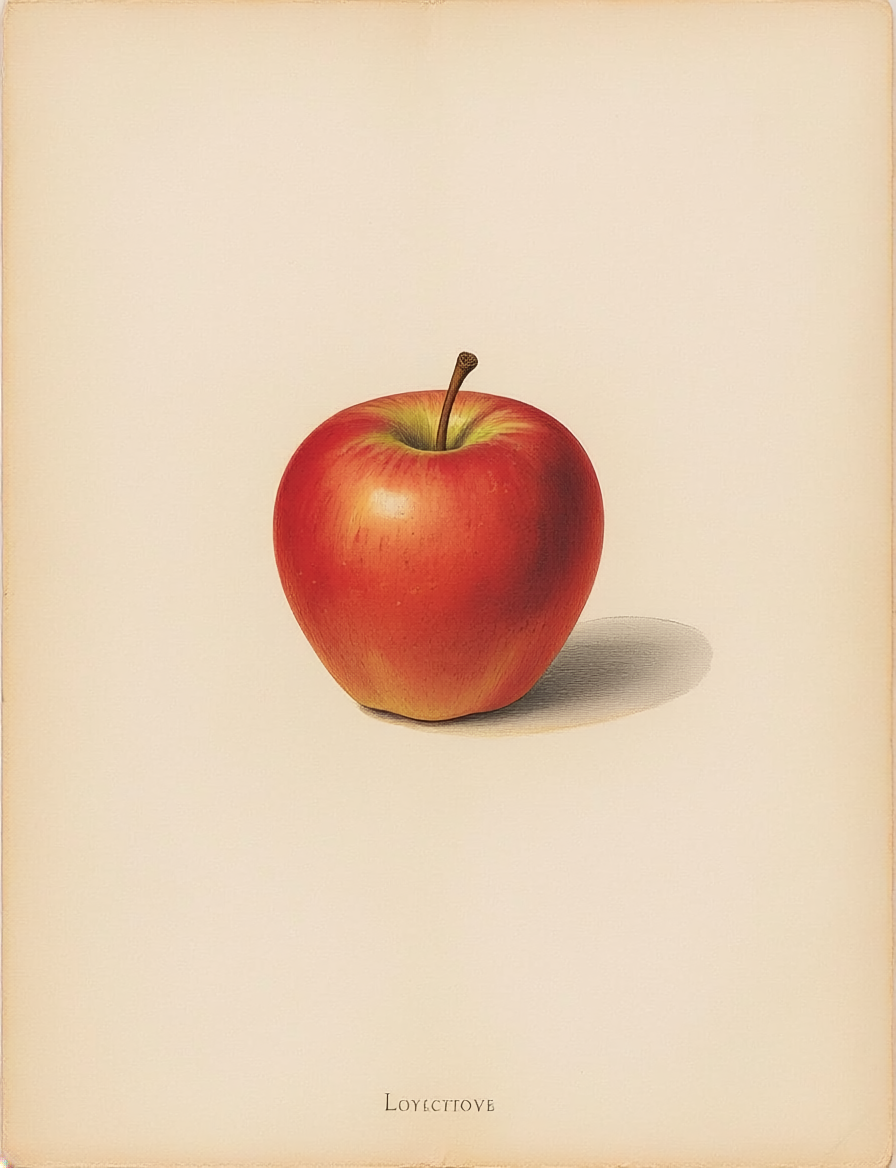
Apple
Malus domestica
A pome fruit. Cultivar decides texture, storage, and cider vs dessert use. Seeds contain amygdalin in small amounts — eat the fruit, not a cup of seeds. Existing encyclopedia text on storage and pectin is useful kitchen fact.
GROW → HARVEST → EAT → DRY → POWDER → CAPSULE → GUMMY — forms are not equivalent. Food first.
Identity
What it is
A pome fruit. Cultivar decides texture, storage, and cider vs dessert use. Seeds contain amygdalin in small amounts — eat the fruit, not a cup of seeds. Existing encyclopedia text on storage and pectin is useful kitchen fact.
From the existing encyclopedia
Apples are pomaceous fruit valued for fresh eating, sauce, cider, and dried rings. Varietal choice changes texture from crisp Honeycrisp to soft baking apples. Keep refrigerated for weeks; bruised fruit still cooks well into compote. Pectin-rich cores and peels can flavor vinegar infusions. A foundational healing-pantry fruit with endless pairing options.
Edible portions
- fruit
Absence of a portion from this list means it is not treated as food here — not that every other part is toxic.
Growing
- Climate. 3–8 depending on cultivar chill
- Light. Full sun
- Soil. Well-drained, moderate fertility
- Planting. Grafted trees. Most need a pollenizer. Chill hours matter.
- Harvest. When the fruit releases with a lift-and-twist and seeds are brown, cultivar-dependent.
Processing, drying, storage
- Drying. Rings until leathery. See also Make → Drying.
- Storage. Cool, humid (near freezing for keepers). Bruised fruit cook now. See also Make → Storage.
Preparation and culinary uses
- Fresh, sauce, cider, dried rings
Nutrition and compounds
- Vitamins (qualitative, well-known associations). fiber — not milligram values.
- Plant compounds. pectin. Presence is not a dose, a cure, or a reason to buy a capsule.
AAA interpretation Food first. These associations explain why a plant shows up in a nutrient conversation — they are not a supplement shopping list.
Next steps
Sources
- USDA PLANTS Database — taxonomy and range (verify current entries)
- USDA FoodData Central — nutrient profiles for foods (verify current entries; this page does not invent milligrams)
- State cooperative extension growing guides — verify for your region
- Integrated from the existing aaaLifetime / quantum-biohack encyclopedia corpus (unique text preserved where it was not boilerplate).
Honest incompleteness is preferred to fabricated completeness. If a section is missing, no record for it is attached here — not a claim that the plant lacks that characteristic, and not that it was omitted as a secret.
Internal quality class A. Strong page: distinctive plant facts plus practical growing or kitchen use.