Tomato
Solanum lycopersicum
A New World nightshade fruit eaten as a vegetable. Determinate vs indeterminate is habit. Green foliage is not food. Flavor is sugars, acids, and volatiles — not a lycopene pill.
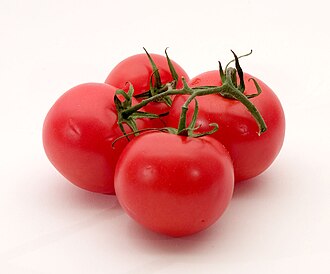
GROW → HARVEST → EAT → DRY → POWDER → CAPSULE → GUMMY — forms are not equivalent. Food first.
Identity
What it is
A New World nightshade fruit eaten as a vegetable. Determinate vs indeterminate is habit. Green foliage is not food. Flavor is sugars, acids, and volatiles — not a lycopene pill.
From the existing encyclopedia
As an everyday ingredient, Tomatoes anchors meals that balance plants, proteins, and spices without needing a supplement label. Toast whole seeds briefly in a dry pan to wake volatile oils before grinding. Works alongside green tea or ginger in everyday beverage rotation. Rotate Tomatoes with other staples in weekly meal plans so pantry kits stay versatile without repeating the same flavor profile every day.
Edible portions
- ripe fruit
- some green-fruit recipes
Absence of a portion from this list means it is not treated as food here — not that every other part is toxic.
Growing
- Climate. Annual heat
- Light. Full sun
- Soil. Rich, well-drained, even water to limit blossom-end rot (a calcium-transport issue, not always ‘needs more lime’)
- Planting. Transplants after frost. Don’t rush cold soil.
- Harvest. At the color/softness you like; they ripen a bit off the vine but develop aroma best on it.
Processing, drying, storage
- Drying. Halve and dehydrate fully; oil-packed dried tomatoes are a preserve with food-safety rules. See also Make → Drying.
Preparation and culinary uses
- Raw, sauce, can, dry (sun-dried is a Make step)
Nutrition and compounds
- Vitamins (qualitative, well-known associations). vitamin C, vitamin A, lycopene (a carotenoid, not a vitamin) — not milligram values.
- Plant compounds. lycopene. Presence is not a dose, a cure, or a reason to buy a capsule.
AAA interpretation Food first. These associations explain why a plant shows up in a nutrient conversation — they are not a supplement shopping list.
Next steps
Sources
- USDA PLANTS Database — taxonomy and range (verify current entries)
- USDA FoodData Central — nutrient profiles for foods (verify current entries; this page does not invent milligrams)
- State cooperative extension growing guides — verify for your region
- Integrated from the existing aaaLifetime / quantum-biohack encyclopedia corpus (unique text preserved where it was not boilerplate).
Honest incompleteness is preferred to fabricated completeness. If a section is missing, no record for it is attached here — not a claim that the plant lacks that characteristic, and not that it was omitted as a secret.
Internal quality class A. Strong page: distinctive plant facts plus practical growing or kitchen use.