Ashwagandha
Withania somnifera
A nightshade relative grown for its earthy-smelling root in Ayurvedic tradition. Food-style ‘moon milk’ uses powdered root; sold-by-dose capsules are a supplement form, not a culinary necessity.
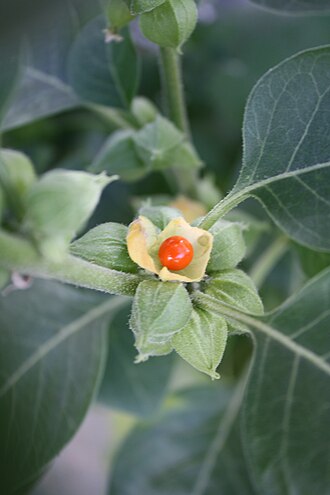
GROW → HARVEST → EAT → DRY → POWDER → CAPSULE → GUMMY — forms are not equivalent. Food first.
Identity
Also called: winter cherry
What it is
A nightshade relative grown for its earthy-smelling root in Ayurvedic tradition. Food-style ‘moon milk’ uses powdered root; sold-by-dose capsules are a supplement form, not a culinary necessity.
From the existing encyclopedia
Ashwagandha root is an adaptogenic herb in Ayurvedic tradition, often powdered for warm milk drinks called moon milk. The root smells earthy and slightly horse-like, which is reflected in its name. Root powder belongs in the supplement regulatory track when sold by dose. v1 aaaLifetime focuses on culinary herbs; encyclopedia entry is educational. If you later sell root, require label counsel and GMP sourcing.
Edible portions
- root powder in traditional drinks — not a salad plant
Absence of a portion from this list means it is not treated as food here — not that every other part is toxic.
Growing
- Climate. 9–11 or as an annual in heat
- Light. Full sun, heat and drought tolerant once established
- Soil. Sandy, well-drained; dislikes wet winters
- Planting. Start indoors like tomatoes; transplant to heat.
- Harvest. Dig roots after a long warm season when berries have formed.
Preparation and culinary uses
- Traditional warm-milk drinks — culinary curiosity, not a dose protocol
Traditional uses
Traditional use Ayurvedic rasayana root
AAA interpretation Traditional use is not automatically evidence, and evidence is not automatically a shopping recommendation.
Supplement relevance
AAA interpretation Root powder sold by milligram is on the supplement side of the continuum. Food-first does not require it.
If you are considering a bottle, use the food-first tools rather than a social-media urgency loop.
Safety
- Nightshade family; commercial products vary widely. This site does not prescribe doses.
Next steps
Sources
- USDA PLANTS Database — taxonomy and range (verify current entries)
- No USDA FoodData Central nutrient profile is attached here. That is not a claim that the plant contains no nutrients.
- State cooperative extension growing guides — verify for your region
- Integrated from the existing aaaLifetime / quantum-biohack encyclopedia corpus (unique text preserved where it was not boilerplate).
Honest incompleteness is preferred to fabricated completeness. If a section is missing, no record for it is attached here — not a claim that the plant lacks that characteristic, and not that it was omitted as a secret.
Internal quality class A. Strong page: distinctive plant facts plus practical growing or kitchen use.