Peanut
Arachis hypogaea
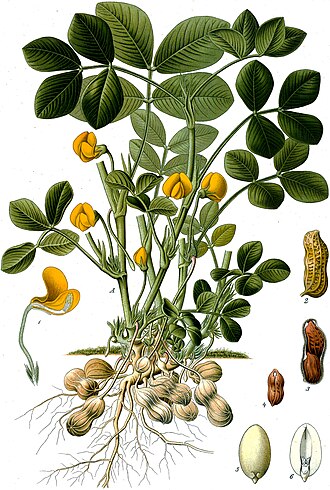
A legume that flowers above ground and pegs the pod into the soil. Not a tree nut botanically; it is a tree-nut allergen label issue for many people anyway. Aflatoxin is a storage-mold problem in poor drying.
GROW → HARVEST → EAT → DRY → POWDER → CAPSULE → GUMMY — forms are not equivalent. Food first.
Identity
Also called: groundnut
What it is
A legume that flowers above ground and pegs the pod into the soil. Not a tree nut botanically; it is a tree-nut allergen label issue for many people anyway. Aflatoxin is a storage-mold problem in poor drying.
From the existing encyclopedia
Peanuts is chosen for texture, micronutrients, and how it carries spices in real cooking, not for miracle marketing. Rehydrate dried forms in warm water before adding to long braises for even texture. Pairs well with garlic, onion, and black pepper in savory dishes. Rotate Peanuts with other staples in weekly meal plans so pantry kits stay versatile without repeating the same flavor profile every day.
Edible portions
- seeds, cooked or roasted
Absence of a portion from this list means it is not treated as food here — not that every other part is toxic.
Growing
- Climate. Warm long season, sandy soil
- Light. Full sun, heat
- Soil. Loose sand/loam so pegs can enter
- Planting. Direct-sow in heat. Needs a long season to fill pods.
- Harvest. Pull whole plants when leaves yellow; dry/cure pods.
Processing, drying, storage
- Drying. Cure plants in windrows or hung until pods rattle. See also Make → Drying.
Preparation and culinary uses
- Roasted, boiled (green), peanut butter (a process)
Nutrition and compounds
- Minerals (qualitative). magnesium, protein, niacin — look up current USDA FoodData Central entries for numbers.
AAA interpretation Food first. These associations explain why a plant shows up in a nutrient conversation — they are not a supplement shopping list.
Safety
- Allergy can be severe. Dry thoroughly to reduce mold risk. Not a botanical tree nut, still treated as a major allergen.
Next steps
Sources
- USDA PLANTS Database — taxonomy and range (verify current entries)
- USDA FoodData Central — nutrient profiles for foods (verify current entries; this page does not invent milligrams)
- State cooperative extension growing guides — verify for your region
- Integrated from the existing aaaLifetime / quantum-biohack encyclopedia corpus (unique text preserved where it was not boilerplate).
Honest incompleteness is preferred to fabricated completeness. If a section is missing, no record for it is attached here — not a claim that the plant lacks that characteristic, and not that it was omitted as a secret.
Internal quality class A. Strong page: distinctive plant facts plus practical growing or kitchen use.