Desert wolfberry
Lycium andersonii
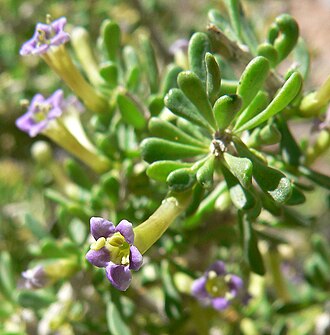
A native Lycium of the U.S. Southwest, related to goji. Small berries, thorns, desert shrub. Not the grocery dried goji from Asia, but the same genus idea.
GROW → HARVEST → EAT → DRY → POWDER → CAPSULE → GUMMY — forms are not equivalent. Food first.
Identity
What it is
A native Lycium of the U.S. Southwest, related to goji. Small berries, thorns, desert shrub. Not the grocery dried goji from Asia, but the same genus idea.
Edible portions
- ripe berries in small amounts where traditionally used
Absence of a portion from this list means it is not treated as food here — not that every other part is toxic.
Growing
- Climate. Native desert Southwest
- Light. Full sun, arid
- Soil. Well-drained desert
- Planting. A native plant, not a superfood farm in Ohio.
- Harvest. Ripe berries; know your Lycium.
Preparation and culinary uses
- Traditional regional nibble — not a bag of imported goji
Next steps
Sources
- USDA PLANTS Database — taxonomy and range (verify current entries)
- No USDA FoodData Central nutrient profile is attached here. That is not a claim that the plant contains no nutrients.
- State cooperative extension growing guides — verify for your region
Honest incompleteness is preferred to fabricated completeness. If a section is missing, no record for it is attached here — not a claim that the plant lacks that characteristic, and not that it was omitted as a secret.
Internal quality class B. Good foundation: enough unique information to exist as its own destination.