Stevia
Stevia rebaudiana
A South American perennial grown for sweet glycosides in the leaf. A leaf can sweeten tea. Commercial ‘stevia’ packets are often highly processed rebaudioside extracts plus bulking agents — a different product than the leaf.
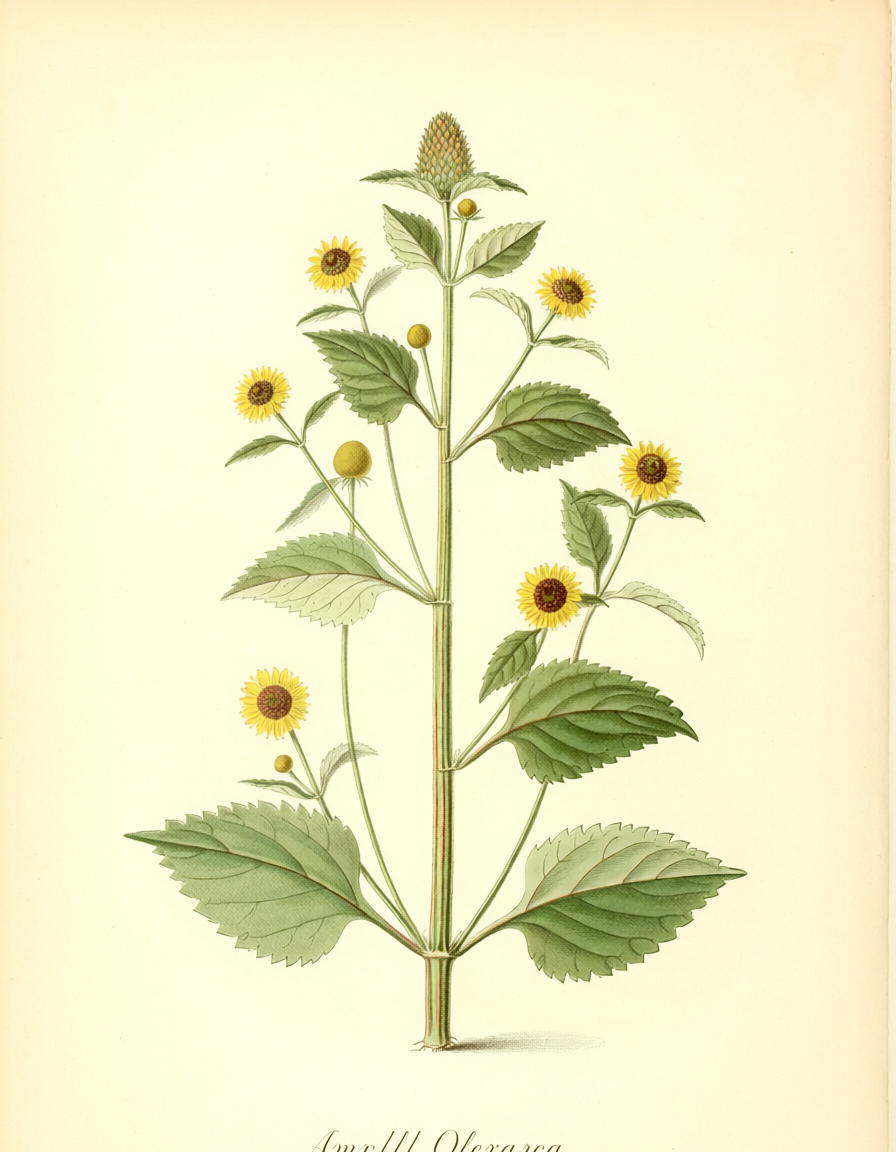
GROW → HARVEST → EAT → DRY → POWDER → CAPSULE → GUMMY — forms are not equivalent. Food first.
Identity
Also called: Stevia leaf, stevia-leaf
What it is
A South American perennial grown for sweet glycosides in the leaf. A leaf can sweeten tea. Commercial ‘stevia’ packets are often highly processed rebaudioside extracts plus bulking agents — a different product than the leaf.
From the existing encyclopedia
Stevia leaf is intensely sweet; traditional use is a tiny pinch in tea. Commercial extracts differ from whole-leaf culinary experimentation. Buy food-grade quality from suppliers who publish lot and origin; avoid mystery bulk without COA for sensitive items. Complements lemon, lime, or vinegar acidity in dressings and marinades. When substituting dried Stevia for fresh, use about one-third the volume and bloom in fat or hot water before adding acid or dairy.
Edible portions
- leaves as a sweetener
Absence of a portion from this list means it is not treated as food here — not that every other part is toxic.
Growing
- Climate. 9–11; annual/pot elsewhere
- Light. Full sun
- Soil. Well-drained, not soggy
- Planting. Cuttings more true than seed. Frost-tender.
- Harvest. Leaves before flower for less bitterness.
Processing, drying, storage
- Drying. Dry leaves; crush. White supermarket powder is a further industrial process. See also Make → Drying.
Preparation and culinary uses
- A fresh or dried leaf in tea. Taste and adjust — it is not sucrose.
Nutrition and compounds
- Plant compounds. stevioside, rebaudioside A. Presence is not a dose, a cure, or a reason to buy a capsule.
AAA interpretation Food first. These associations explain why a plant shows up in a nutrient conversation — they are not a supplement shopping list.
Next steps
Sources
- USDA PLANTS Database — taxonomy and range (verify current entries)
- USDA FoodData Central — nutrient profiles for foods (verify current entries; this page does not invent milligrams)
- State cooperative extension growing guides — verify for your region
- Integrated from the existing aaaLifetime / quantum-biohack encyclopedia corpus (unique text preserved where it was not boilerplate).
Honest incompleteness is preferred to fabricated completeness. If a section is missing, no record for it is attached here — not a claim that the plant lacks that characteristic, and not that it was omitted as a secret.
Internal quality class A. Strong page: distinctive plant facts plus practical growing or kitchen use.