Skullcap
Scutellaria lateriflora
American skullcap is a wetland mint used in traditional nervine teas. Chinese skullcap (S. baicalensis) is a different species with a different root market. Not a culinary garnish.
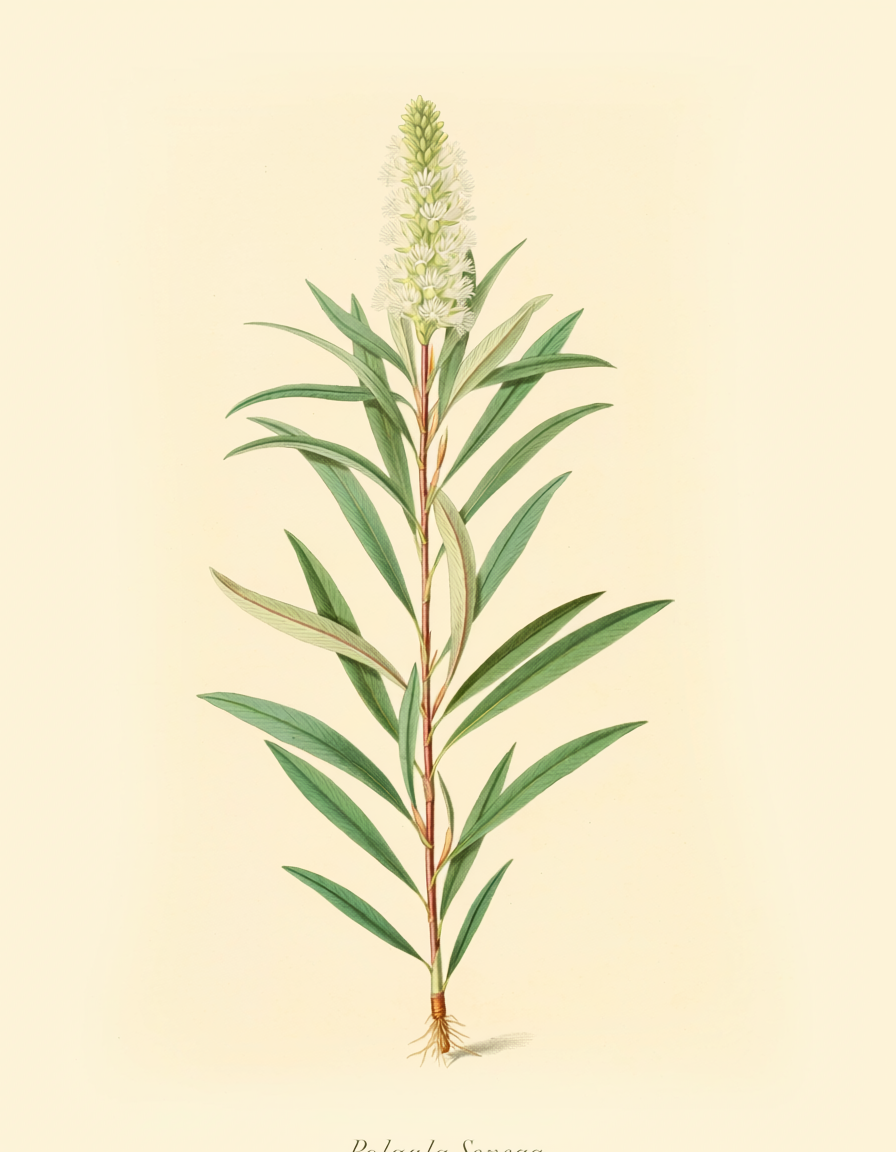
GROW → HARVEST → EAT → DRY → POWDER → CAPSULE → GUMMY — forms are not equivalent. Food first.
Identity
Also called: mad-dog skullcap
What it is
American skullcap is a wetland mint used in traditional nervine teas. Chinese skullcap (S. baicalensis) is a different species with a different root market. Not a culinary garnish.
From the existing encyclopedia
Dried Skullcap root or leaf is bitter and camphorous, usually steeped as evening tea in folk practice. Culinary amounts differ from concentrated supplement products. Store in a cool, dark cupboard in an airtight jar; label with purchase date. Complements lemon, lime, or vinegar acidity in dressings and marinades. When substituting dried Skullcap for fresh, use about one-third the volume and bloom in fat or hot water before adding acid or dairy.
Edible portions
Safety Not treated as food on this site.
Growing
- Climate. 4–8 wet
- Light. Part sun, moisture
- Soil. Moist to wet
- Planting. Do not let it dry out.
Traditional uses
Traditional use Folk nervine tea — traditional use
AAA interpretation Traditional use is not automatically evidence, and evidence is not automatically a shopping recommendation.
Safety
- Species substitution in the herb market is a known problem. Not food. Not a self-prescribed sleep gummy.
Next steps
Sources
- USDA PLANTS Database — taxonomy and range (verify current entries)
- No USDA FoodData Central nutrient profile is attached here. That is not a claim that the plant contains no nutrients.
- State cooperative extension growing guides — verify for your region
- Integrated from the existing aaaLifetime / quantum-biohack encyclopedia corpus (unique text preserved where it was not boilerplate).
Honest incompleteness is preferred to fabricated completeness. If a section is missing, no record for it is attached here — not a claim that the plant lacks that characteristic, and not that it was omitted as a secret.
Internal quality class B. Good foundation: enough unique information to exist as its own destination.