Rice
Oryza sativa
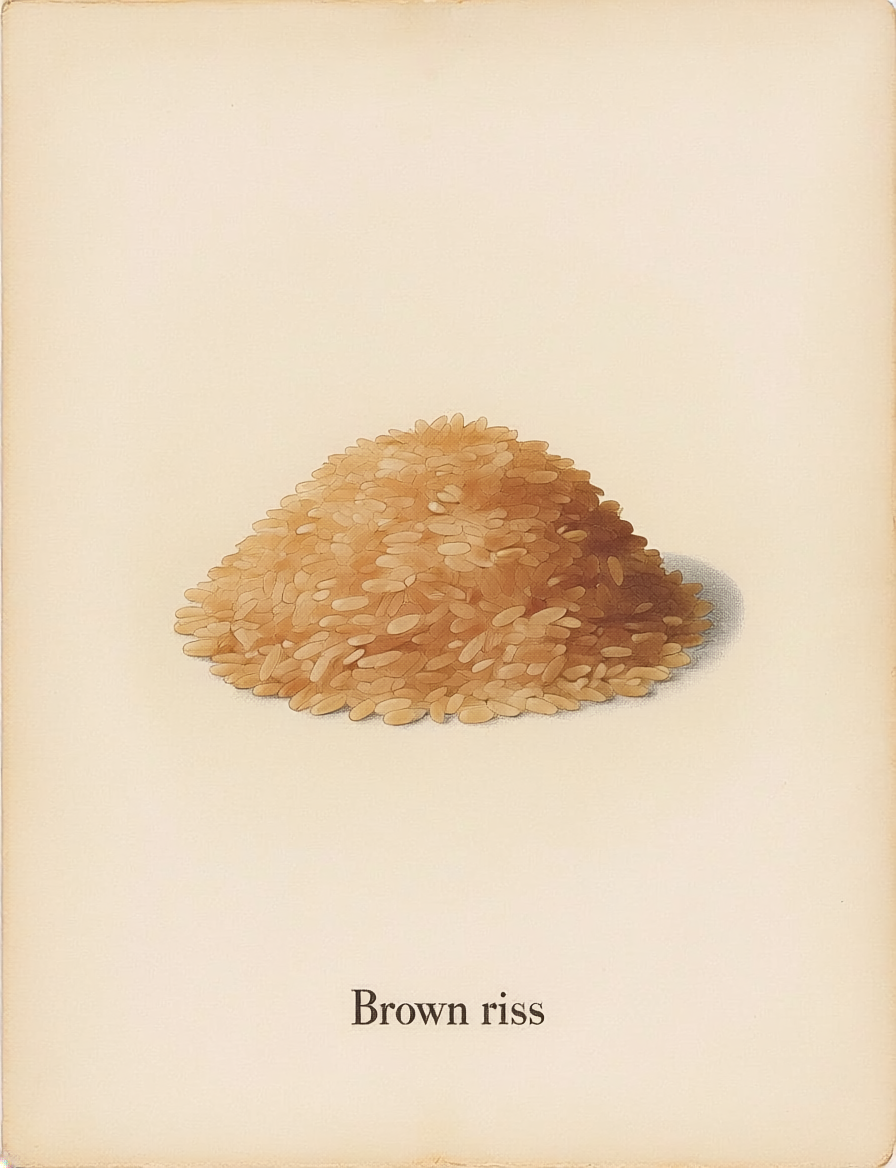
A wetland (or specially irrigated) cereal. Brown rice is the whole caryopsis after hulling; white rice is further milled. Arborio, jasmine, and sushi types are cultivar groups, not different species. Wild rice is Zizania, a different genus.
GROW → HARVEST → EAT → DRY → POWDER → CAPSULE → GUMMY — forms are not equivalent. Food first.
Identity
Also called: brown rice, white rice
What it is
A wetland (or specially irrigated) cereal. Brown rice is the whole caryopsis after hulling; white rice is further milled. Arborio, jasmine, and sushi types are cultivar groups, not different species. Wild rice is Zizania, a different genus.
From the existing encyclopedia
Meal planners keep White Rice on hand because it pairs with multiple herbs in the aaaLifetime encyclopedia. Introduce new ingredients gradually in cooking portions to learn flavor strength before scaling recipes. Balances with honey or dates in warm drinks when used as food sweetening. Rotate White Rice with other staples in weekly meal plans so pantry kits stay versatile without repeating the same flavor profile every day.
Edible portions
- grain
Absence of a portion from this list means it is not treated as food here — not that every other part is toxic.
Growing
- Climate. Warm season; paddy or flush-irrigated
- Light. Full sun, heat
- Soil. Paddy clay or well-watered beds depending on system
- Planting. Not a casual temperate backyard crop except in dedicated paddies.
- Harvest. When panicles yellow and grain is firm.
Processing, drying, storage
- Processing. Hulling then optional polishing is the brown→white fork. Fortified white rice is an industrial nutrient add-back, not a plant trait.
Preparation and culinary uses
- The world’s default starch in many cuisines
Nutrition and compounds
- Minerals (qualitative). manganese, magnesium in brown rice — look up current USDA FoodData Central entries for numbers.
AAA interpretation Food first. These associations explain why a plant shows up in a nutrient conversation — they are not a supplement shopping list.
Next steps
Sources
- USDA PLANTS Database — taxonomy and range (verify current entries)
- USDA FoodData Central — nutrient profiles for foods (verify current entries; this page does not invent milligrams)
- State cooperative extension growing guides — verify for your region
- Integrated from the existing aaaLifetime / quantum-biohack encyclopedia corpus (unique text preserved where it was not boilerplate).
Honest incompleteness is preferred to fabricated completeness. If a section is missing, no record for it is attached here — not a claim that the plant lacks that characteristic, and not that it was omitted as a secret.
Internal quality class A. Strong page: distinctive plant facts plus practical growing or kitchen use.