Papalo
Porophyllum ruderale
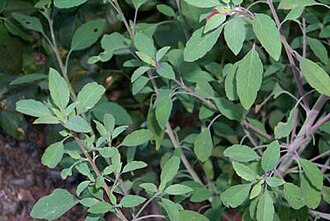
A pungent Mexican herb, cilantro-adjacent but stronger, used in Puebla-style cooking. Heat-grown. Not cilantro.
GROW → HARVEST → EAT → DRY → POWDER → CAPSULE → GUMMY — forms are not equivalent. Food first.
Identity
Also called: pápaloquelite, Bolivian coriander, bolivian-coriander
What it is
A pungent Mexican herb, cilantro-adjacent but stronger, used in Puebla-style cooking. Heat-grown. Not cilantro.
Edible portions
- leaves
Absence of a portion from this list means it is not treated as food here — not that every other part is toxic.
Growing
- Climate. Annual heat
- Light. Full sun, heat
- Soil. Average, well-drained
- Planting. Direct-sow in warmth. Tall.
- Harvest. Leaves; a little goes far.
Preparation and culinary uses
- Tacos and salsas as a cilantro alternative that doesn’t bolt in heat the same way
Next steps
Sources
- USDA PLANTS Database — taxonomy and range (verify current entries)
- No USDA FoodData Central nutrient profile is attached here. That is not a claim that the plant contains no nutrients.
- State cooperative extension growing guides — verify for your region
Honest incompleteness is preferred to fabricated completeness. If a section is missing, no record for it is attached here — not a claim that the plant lacks that characteristic, and not that it was omitted as a secret.
Internal quality class B. Good foundation: enough unique information to exist as its own destination.