Lavender
Lavandula angustifolia
English lavender is the culinary/scent species. A few buds perfume sugar or a shortbread; a lot tastes like perfume. Lavandin (L. × intermedia) is a higher-oil hybrid used more for sachets than food.
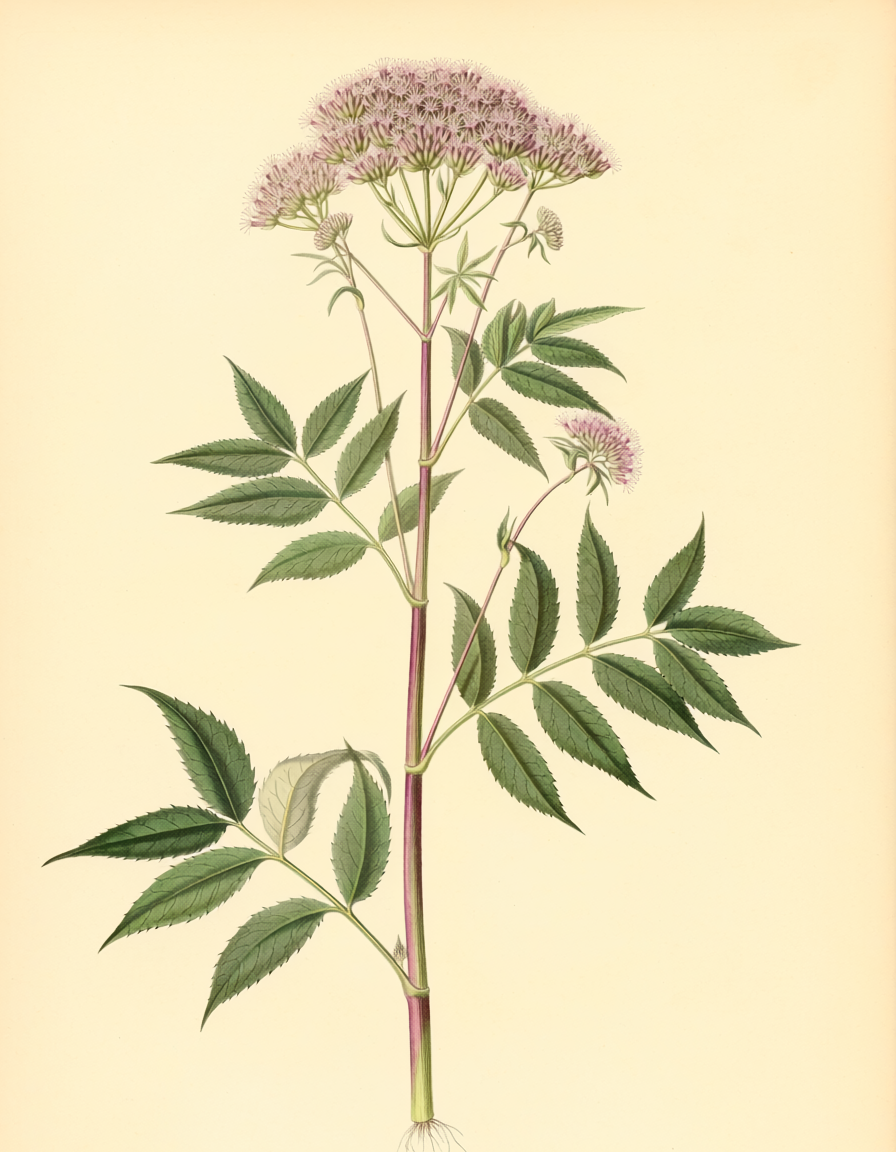
GROW → HARVEST → EAT → DRY → POWDER → CAPSULE → GUMMY — forms are not equivalent. Food first.
Identity
What it is
English lavender is the culinary/scent species. A few buds perfume sugar or a shortbread; a lot tastes like perfume. Lavandin (L. × intermedia) is a higher-oil hybrid used more for sachets than food.
From the existing encyclopedia
Lavender lends floral aroma to teas, honey, and dessert sauces. A little quantity goes far; overpowering heat destroys delicate volatile oils. Toast whole seeds briefly in a dry pan to wake volatile oils before grinding. Balances with honey or dates in warm drinks when used as food sweetening. When substituting dried Lavender for fresh, use about one-third the volume and bloom in fat or hot water before adding acid or dairy.
Edible portions
- flower buds in tiny culinary amounts
Absence of a portion from this list means it is not treated as food here — not that every other part is toxic.
Growing
- Climate. 5–8 well-drained
- Light. Full sun
- Soil. Lean, alkaline-leaning, sharp drainage — winter wet kills it
- Planting. Do not bury the woody crown. Cut back after bloom, not into old wood without green.
- Harvest. Buds as color shows but before full shatter.
Processing, drying, storage
- Drying. Hang or screen-dry; strip buds from stems. See also Make → Drying.
Preparation and culinary uses
- Lavender sugar
- Herbes de Provence (a pinch)
- Honey pairing
Next steps
Sources
- USDA PLANTS Database — taxonomy and range (verify current entries)
- No USDA FoodData Central nutrient profile is attached here. That is not a claim that the plant contains no nutrients.
- State cooperative extension growing guides — verify for your region
- Integrated from the existing aaaLifetime / quantum-biohack encyclopedia corpus (unique text preserved where it was not boilerplate).
Honest incompleteness is preferred to fabricated completeness. If a section is missing, no record for it is attached here — not a claim that the plant lacks that characteristic, and not that it was omitted as a secret.
Internal quality class A. Strong page: distinctive plant facts plus practical growing or kitchen use.