Hosta
Hosta spp.
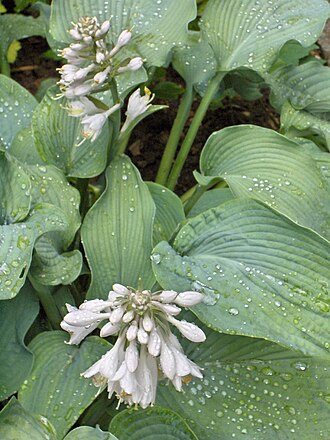
In Korean cooking, hosta shoots (urum) are a spring vegetable. In U.S. yards they are slug food and ornamentals. Know the cultivar/source; not every landscaping hosta is automatically a vegetable you should trust as pesticide-free.
GROW → HARVEST → EAT → DRY → POWDER → CAPSULE → GUMMY — forms are not equivalent. Food first.
Identity
What it is
In Korean cooking, hosta shoots (urum) are a spring vegetable. In U.S. yards they are slug food and ornamentals. Know the cultivar/source; not every landscaping hosta is automatically a vegetable you should trust as pesticide-free.
Edible portions
- very young shoots in culinary traditions that use them
Absence of a portion from this list means it is not treated as food here — not that every other part is toxic.
Growing
- Climate. 3–8 shade
- Light. Shade
- Soil. Moist, rich
- Planting. Division. A shade clump.
- Harvest. Shoots as they emerge, like a thick asparagus, only from unsprayed plants you trust.
Preparation and culinary uses
- Blanched/seasoned shoots in Korean cuisine
Safety
- Pesticide-sprayed ornamentals are not food. Young shoots, not mature leaves as a salad.
Next steps
Sources
- USDA PLANTS Database — taxonomy and range (verify current entries)
- No USDA FoodData Central nutrient profile is attached here. That is not a claim that the plant contains no nutrients.
- State cooperative extension growing guides — verify for your region
Honest incompleteness is preferred to fabricated completeness. If a section is missing, no record for it is attached here — not a claim that the plant lacks that characteristic, and not that it was omitted as a secret.
Internal quality class A. Strong page: distinctive plant facts plus practical growing or kitchen use.