Horse chestnut
Aesculus hippocastanum
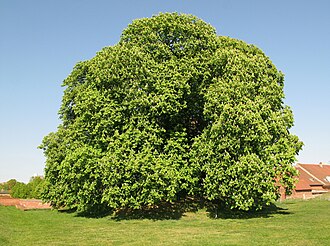
Street-tree ‘chestnuts’ with palmate leaves. Seeds are not food. Included so they are not cooked like Castanea.
GROW → HARVEST → EAT → DRY → POWDER → CAPSULE → GUMMY — forms are not equivalent. Food first.
Identity
NameHorse chestnut
Scientific nameAesculus hippocastanum
FamilySapindaceae
Typeidentification / safety
Climate / zones3–8 ornamental
LightFull sun
What it is
Street-tree ‘chestnuts’ with palmate leaves. Seeds are not food. Included so they are not cooked like Castanea.
Identification
Palmate 5–7 leaflets; smooth conker; candle flowers.
Edible portions
Safety Not treated as food on this site.
Growing
- Climate. 3–8 ornamental
- Light. Full sun
- Soil. Average
- Planting. Ornamental. Not a nut crop.
- Harvest. Do not harvest for food.
Safety
- Not edible. Conkers are toxic. Culinary chestnuts have sharp burrs and different leaves (Castanea).
Next steps
Sources
- USDA PLANTS Database — taxonomy and range (verify current entries)
- No USDA FoodData Central nutrient profile is attached here. That is not a claim that the plant contains no nutrients.
- State cooperative extension growing guides — verify for your region
Honest incompleteness is preferred to fabricated completeness. If a section is missing, no record for it is attached here — not a claim that the plant lacks that characteristic, and not that it was omitted as a secret.
Internal quality class B. Good foundation: enough unique information to exist as its own destination.